

C-Type Elevator Buckets
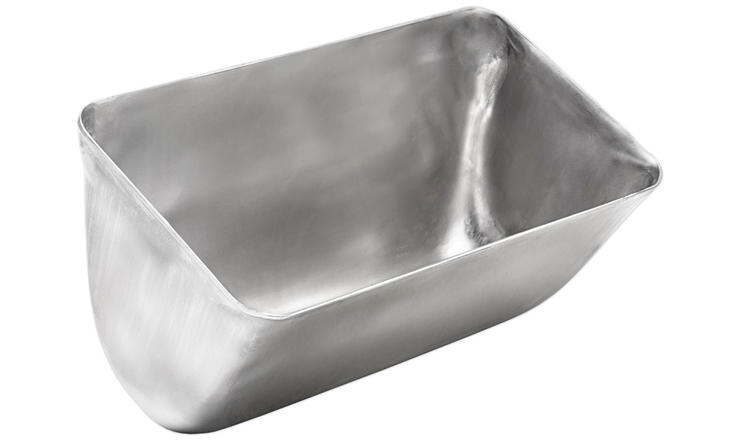

4B Braime C240 C-Type Elevator Buckets
Type C elevator buckets are suitable for free-flowing materials, or for materials elevated at slower speeds.
Description
Additional information
| Brand |
|---|
UZYSKAJ CENĘ
Aby otrzymać propozycję, wyślij swoją aplikację na adres [email protected] i określ wymagane stanowiska oraz dane firmy.
Specification
| A | B | C | D | T | Weight | Capacity (L) | Capacity (L) | ||
| C-Type Bucket | (mm) | (mm) | (mm) | (mm) | (mm) | (kg) | Z2 (total) | Z3 (water) | |
| C240 | 89 | 79 | 92 | 51 | 1.2 | 0.18 | 0.35 | 0.21 | |
| C14 | 102 | 79 | 92 | 51 | 2 | 0.36 | 0.4 | 0.24 | |
| C16 | 127 | 79 | 92 | 51 | 1.2 | 0.25 | 0.49 | 0.3 | |
| C19 | 127 | 79 | 92 | 51 | 3 | 0.5 | 0.49 | 0.3 | |
| C22 | 152 | 79 | 92 | 51 | 1.5 | 0.36 | 0.59 | 0.36 | |
| C27 | 102 | 89 | 108 | 57 | 2 | 0.39 | 0.52 | 0.32 | |
| C30 | 127 | 89 | 108 | 57 | 1.2 | 0.29 | 0.66 | 0.4 | |
| C33 | 127 | 89 | 108 | 57 | 3 | 0.68 | 0.66 | 0.4 | |
| C37 | 152 | 89 | 108 | 57 | 2 | 0.53 | 0.78 | 0.5 | |
| C38 | 152 | 89 | 108 | 57 | 3 | 0.79 | 0.78 | 0.5 | |
| C42 | 178 | 89 | 108 | 57 | 2 | 0.68 | 0.96 | 0.6 | |
| C193 | 140 | 95 | 111 | 57 | 1.2 | 0.32 | 0.79 | 0.46 | |
| C98 | 127 | 102 | 127 | 67 | 1.2 | 0.34 | 0.89 | 0.55 | |
| C104 | 152 | 102 | 127 | 67 | 1.5 | 1.02 | 1.1 | 0.66 | |
| C116 | 203 | 102 | 127 | 67 | 3 | 1.25 | 1.5 | 0.92 | |
| C119 | 229 | 102 | 127 | 67 | 1.5 | 0.79 | 1.8 | 1.1 | |
| C123 | 127 | 114 | 143 | 76 | 1.2 | 0.43 | 1.15 | 0.7 | |
| C129 | 152 | 114 | 143 | 76 | 1.5 | 0.61 | 1.35 | 0.85 | |
| C131 | 152 | 114 | 143 | 76 | 3 | 1.16 | 1.35 | 0.85 | |
| C135 | 178 | 114 | 143 | 76 | 1.5 | 0.68 | 1.6 | 1 | |
| C138 | 178 | 114 | 143 | 76 | 3 | 1.34 | 1.6 | 1 | |
| C141 | 203 | 114 | 143 | 76 | 1.5 | 0.73 | 1.81 | 1.06 | |
| C144 | 203 | 114 | 143 | 76 | 3 | 1.45 | 1.81 | 1.06 | |
| C154 | 254 | 114 | 143 | 76 | 1.5 | 0.93 | 2.3 | 1.4 | |
| C156 | 254 | 114 | 143 | 76 | 3 | 1.81 | 2.3 | 1.4 | |
| C159 | 152 | 140 | 159 | 95 | 2 | 1.07 | 1.8 | 1.2 | |
| C162 | 178 | 140 | 159 | 95 | 1.5 | 0.84 | 2.15 | 1.4 | |
| C166 | 203 | 140 | 159 | 95 | 1.5 | 0.95 | 2.45 | 1.65 | |
| C168 | 203 | 140 | 159 | 95 | 3 | 1.72 | 2.45 | 1.65 | |
| C170 | 229 | 140 | 159 | 95 | 1.5 | 1.07 | 2.85 | 1.85 | |
| C171 | 229 | 140 | 159 | 95 | 2 | 1.36 | 2.85 | 1.85 | |
| C172 | 229 | 140 | 159 | 95 | 3 | 1.97 | 2.85 | 1.85 | |
| C175 | 254 | 140 | 159 | 95 | 2 | 1.43 | 3.1 | 2 | |
| C176 | 254 | 140 | 159 | 95 | 3 | 2.04 | 3.1 | 2 | |
| C179 | 279 | 140 | 159 | 95 | 1.5 | 1.2 | 3.55 | 2.35 | |
| C181 | 279 | 140 | 159 | 95 | 3 | 1.86 | 3.55 | 2.35 | |
| C184 | 305 | 140 | 159 | 95 | 2 | 1.77 | 4.05 | 2.7 | |
| C185 | 305 | 140 | 159 | 95 | 3 | 2.54 | 4.05 | 2.7 | |
| C231 | 356 | 181 | 181 | 117 | 3 | 3.61 | 6.55 | 4.7 |
Related products
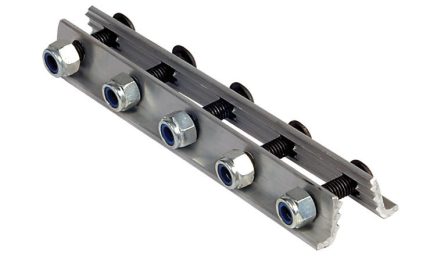
4B Braime 10.0 Gripwell Elevator Belt Splices
The Gripwell light duty aluminum fastener secures belting on bucket elevators. The two ends of the belt are gripped between extruded serrated plates, clamped together by zinc plated high tensile bolts, safely secured by plated self locking nuts to give a strong reliable and rustproof fastener. The Gripwell forms a butt joint, the belt runs smoothly over the pulley with minimum stress to the joint and no relative movement can take place between the two belt ends, as is the case when an overlapping joint passes over the pulleys.
4B Braime 5.5 Gripwell Elevator Belt Splices
The Gripwell light duty aluminum fastener secures belting on bucket elevators. The two ends of the belt are gripped between extruded serrated plates, clamped together by zinc plated high tensile bolts, safely secured by plated self locking nuts to give a strong reliable and rustproof fastener. The Gripwell forms a butt joint, the belt runs smoothly over the pulley with minimum stress to the joint and no relative movement can take place between the two belt ends, as is the case when an overlapping joint passes over the pulleys.
4B Braime 12.0 Gripwell Elevator Belt Splices
The Gripwell light duty aluminum fastener secures belting on bucket elevators. The two ends of the belt are gripped between extruded serrated plates, clamped together by zinc plated high tensile bolts, safely secured by plated self locking nuts to give a strong reliable and rustproof fastener. The Gripwell forms a butt joint, the belt runs smoothly over the pulley with minimum stress to the joint and no relative movement can take place between the two belt ends, as is the case when an overlapping joint passes over the pulleys.
4B Braime 4.0 Gripwell Elevator Belt Splices
The Gripwell light duty aluminum fastener secures belting on bucket elevators. The two ends of the belt are gripped between extruded serrated plates, clamped together by zinc plated high tensile bolts, safely secured by plated self locking nuts to give a strong reliable and rustproof fastener. The Gripwell forms a butt joint, the belt runs smoothly over the pulley with minimum stress to the joint and no relative movement can take place between the two belt ends, as is the case when an overlapping joint passes over the pulleys.
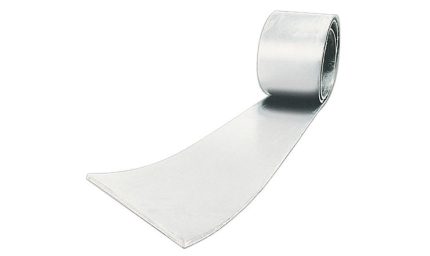
4B Braime FDA-NBR Elevator Belt
NBR, FDA White Food Quality belts are designed for use in the food industry. This belt quality has very good oil and fat resistance and meets the requirements for components in contact with food stuffs. Used widely with rice processing, flour mills, dry milk products, salt, sugar and detergents etc.

4B Braime 5.0 Gripwell Elevator Belt Splices
The Gripwell light duty aluminum fastener secures belting on bucket elevators. The two ends of the belt are gripped between extruded serrated plates, clamped together by zinc plated high tensile bolts, safely secured by plated self locking nuts to give a strong reliable and rustproof fastener. The Gripwell forms a butt joint, the belt runs smoothly over the pulley with minimum stress to the joint and no relative movement can take place between the two belt ends, as is the case when an overlapping joint passes over the pulleys.
4B Braime 2.0 Gripwell Elevator Belt Splices
The Gripwell light duty aluminum fastener secures belting on bucket elevators. The two ends of the belt are gripped between extruded serrated plates, clamped together by zinc plated high tensile bolts, safely secured by plated self locking nuts to give a strong reliable and rustproof fastener. The Gripwell forms a butt joint, the belt runs smoothly over the pulley with minimum stress to the joint and no relative movement can take place between the two belt ends, as is the case when an overlapping joint passes over the pulleys.